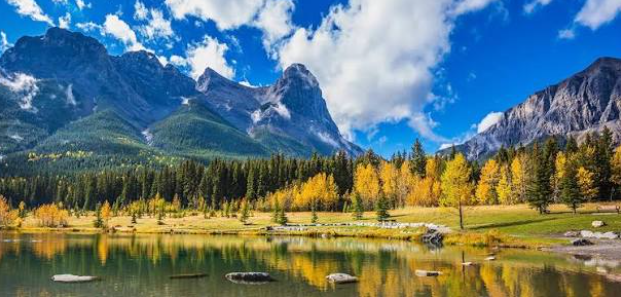
As the sun begins to set over the Alberta prairies, it paints the horizon in rich amber and terracotta hues. This is the famous “golden hour”—a time when the light becomes soft, dimensional, and almost magical. Virtually any cinematographer will agree: finding a location where this quality of light lasts for hours under a vast, crystal-clear sky is a rare stroke of luck.
Calgary, widely known as the Blue Sky City, boasts over 333 sunny days a year. It is no wonder that MovieMaker magazine consistently ranks it among the top four places in North America to live and work as a filmmaker, while international awards recognize it as a top filming location. Yet, scenic beauty is only part of why massive cinematic stories find their home here. The transformation of this provincial Canadian region into a powerhouse global film hub is a story of precise calculation, operational flexibility, world-class craftsmanship, and an enduring passion for visual art. Calgaryski shares more on this evolution.
An Evolving Landscape
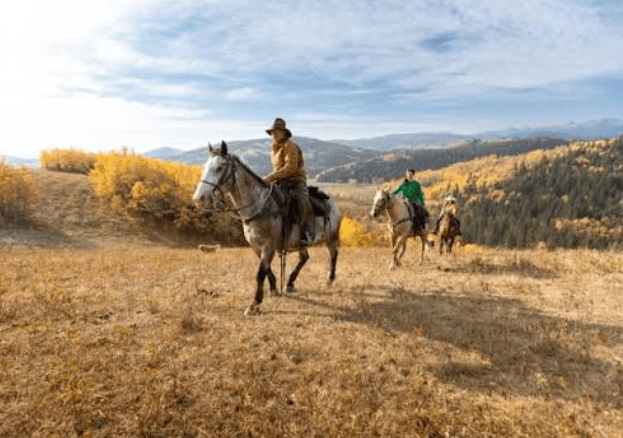
For a long time, filmmakers viewed the Canadian prairies strictly as the perfect backdrop for Westerns and period dramas. Calgary offered the classic Wild West aesthetic: endless grasslands bordering the rugged Canadian Rockies and crystal-clear rivers.
However, Alberta’s film industry quickly outgrew the confines of a single genre. The region’s primary visual strength lies in its incredible versatility. Within just a short drive from the downtown core, you can find:
- the dramatic Rocky Mountains—a natural shield and majestic backdrop for epic adventures;
- Drumheller’s Martian landscapes—weathered canyons and badlands that easily double for other planets or ancient eras;
- a modern urban skyline—Calgary’s architecture seamlessly transitions from a high-tech metropolis to gritty, abandoned city blocks.
This sheer diversity allows a single region to play the part of a post-apocalyptic United States in “The Last of Us,” a snow-covered American Midwest in the dark comedy-drama “Fargo,” or the rugged backcountry in the classic family drama “Heartland.”
Why Production Crews Keep Coming Back
Stunning vistas aside, Hollywood producers always keep a close eye on time and budget. Here, Calgary outshines many traditional film capitals by offering unmatched logistical convenience.
- The local international airport offers more than 100 direct international flights, making it easy to fly in A-list stars, directors, and tons of equipment from anywhere in the world.
- It is a city where you can shoot a scene in a sleek downtown corporate center in the morning, and just 45 minutes later, have your crew set up in the middle of the wild Rocky Mountains or endless prairies. There is no need for exhausting, hours-long travel.
- Calgary provides production infrastructure, hotels, and dining on par with Vancouver or Toronto, but at much more affordable and predictable rates.
The People Behind the Screen Magic
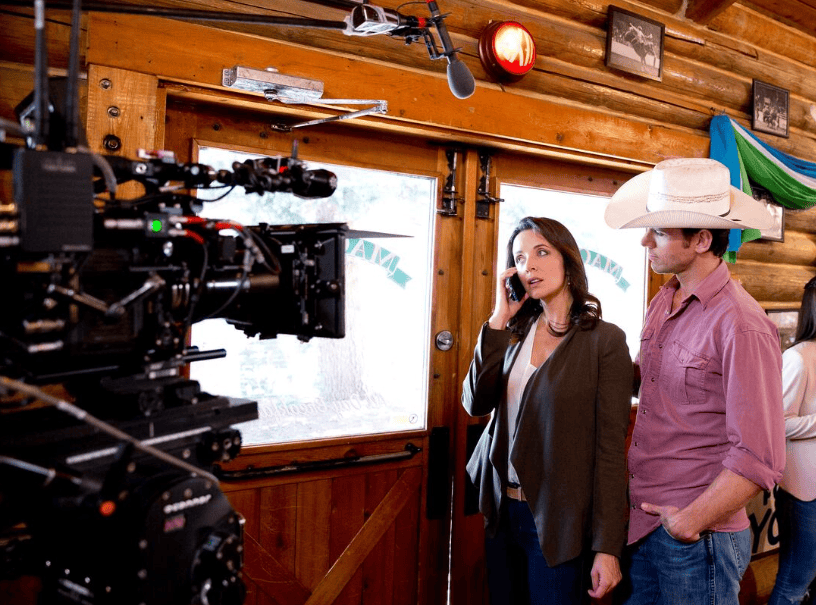
A film cannot be shot on beautiful landscapes alone. The true foundation of Calgary’s film industry lies in its people and the technological infrastructure built over decades.
The local film sector is supported by over 750,000 square feet of state-of-the-art studio space and sound stages. This capacity allows multiple large-scale international projects to run simultaneously without scheduling conflicts or quality compromises.
Still, the city’s greatest asset is its local crew base. Seasoned cinematographers, gaffers, makeup artists, costume designers, set builders, and transport coordinators are organized into a robust network of professional guilds and unions (including IATSE Local 212, DGC Alberta, ACTRA Alberta, and the Teamsters).
The history of filmmaking in Alberta is not just about box office hits or prestigious awards; it is about the heritage of craftsmanship. It is about professionals who have spent decades passing down their trade secrets, building a rock-solid foundation for subsequent generations of filmmakers.
This is why local documentarians launched the Reel Alberta project—to preserve the stories of the unsung heroes behind the scenes who helped build this industry. Today, local production giants like SEVEN24 Films, Nomadic Pictures, Polyscope, Meta, and Joe Media Group act as true creative partners rather than just service providers for major networks like HBO, Netflix, Apple, and Paramount.

Financial Incentives and a Concierge Service Model
Filmmaking is a demanding business where a single day of delays can cost hundreds of thousands of dollars. Calgary has won the loyalty of global producers by combining two crucial factors: economic benefits and the elimination of bureaucratic hurdles.
Economic Incentives and Tax Structures
Alberta’s film and television sector has hit record highs, contributing over $1 billion CAD annually in total economic impact (according to Calgary Economic Development). With no provincial sales tax (PST) and a flexible tax incentive (the Alberta Film and Television Tax Credit) offering a rolling 22% to 30% refundable tax credit on eligible local expenditures, producers can save anywhere from 25% to 40% of their overall budget compared to shooting in California.
A prime example of this financial success was the filming of the first season of “The Last of Us.” According to analysis by the CMPA and Keep Alberta Rolling, the production brought over $140 million USD (more than $200 million CAD) in direct investment to the province and generated over 1,400 jobs.
A “One-Stop-Shop” Philosophy
The specialized Calgary Film Commission operates on a concierge-style service model. This means producers receive end-to-end support starting from day one:
- expedited filming permits for municipal properties and natural parks;
- tailored location scouting trips customized to the specific script;
- direct coordination with local unions, equipment vendors, and logistics companies.
This approach relieves production companies of administrative headaches, letting them focus entirely on their primary goal: bringing visual art to life.

From the Screen to Reality
The magic of Calgary’s cinema has long spilled over the edges of soundstages and sets. Today, the city and its surrounding areas have become a magnet for travelers from across the globe.
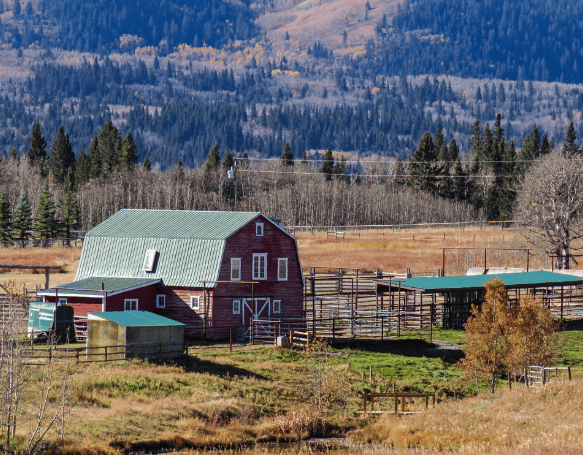
Film tourism is rapidly gaining momentum in Alberta. Fans from all over the world travel here to walk across the bridges and through the abandoned neighborhoods featured in “The Last of Us,” visit the picturesque town of High River (the real-world setting of the hit family drama “Heartland”), or see firsthand the unforgiving wilderness where Leonardo DiCaprio’s character fought for survival in “The Revenant.”
For Calgary, this is far more than just a point of pride—it is a vital economic engine. It translates on-screen stories into real-world tourist itineraries, drives revenue to local businesses, and leaves visitors forever in love with the region.
Sustainability, the Ecosystem, and the Future of the Screen
The film industry is rarely a quiet harbor; it fluctuates through peaks and valleys, reacting to Hollywood strikes, economic shifts, and currency swings. Yet Calgary’s greatest strength is its ability to weather any storm. Even Alberta’s extreme winter cold and unpredictable weather—notoriously challenging obstacles for massive shoots like “The Revenant” or “Fargo”—become competitive advantages thanks to the sheer resilience and expertise of local crews who can operate seamlessly under any conditions.
When traditional markets slow down, the city agilely pivots. Calgary is increasingly attracting international co-productions from Europe and Asia—including major projects from South Korea—while new legislative initiatives and Indigenous support programs are providing a strong boost to authentic, homegrown Canadian content.
Through forward-thinking initiatives like Screen Access Alberta and producer accelerator programs (APA), the region does not merely wait for foreign productions to arrive. Instead, it continuously reinvests in its own local pipeline—from emerging screenwriters to visual effects specialists.
Ultimately, Calgary’s story proves that when dramatic natural landscapes meet top-tier professionalism and forward-thinking government support, it creates more than just a temporary filming backdrop. It builds a robust, sustainable home for global cinema. Alberta’s doors remain wide open to anyone with a story worth sharing on the big screen.