The American post-apocalyptic TV series The Walking Dead, which premiered in October 2010, demonstrated immense success and sparked audience interest in zombie-themed stories. This led to the creation of several other similar series and films, including Black Summer.
Black Summer is an American action-packed horror TV series that portrays the beginning of a zombie apocalypse. It premiered on April 11, 2019, on Netflix. From the first to the last scene, Black Summer keeps viewers on edge with well-crafted characters, intriguing dialogues, and unexpected plot twists. Many scenes were filmed in Calgary and its surrounding areas. Learn more about the series on calgaryski.net.
Plot
After a zombie outbreak spreads across America, the U.S. government attempts to contain the aggressive creatures by deploying the military. Along with eliminating the infected, the army is tasked with evacuating healthy citizens to safe locations.
At the heart of the story is a young mother, Rose, who loses her daughter Anna amidst the chaos and panic. Desperate, she teams up with several refugees and embarks on a dangerous journey to find her child. Navigating the devastated United States, now overrun by feral and bloodthirsty zombies, she must remain unseen. Every wrong move could be fatal, and Rose must endure every trial to reunite with her daughter.
Locations
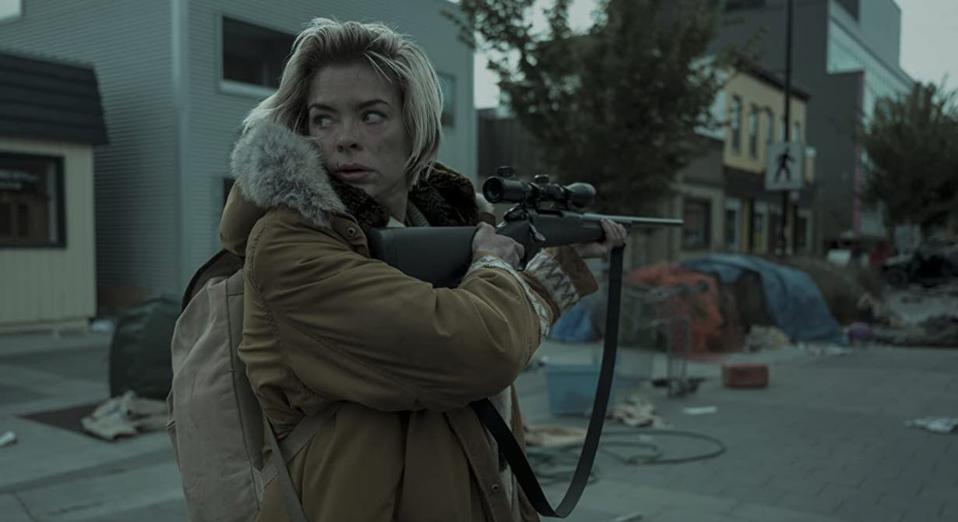
The series is set in an unnamed American suburb, but Black Summer was entirely filmed in Calgary and several other locations in Alberta. Production of the first season began in late July 2018. Featured Calgary landmarks include Queen Elizabeth High School in the Hillhurst neighborhood, Stampede Park, McMahon Stadium, and the base of Calgary Tower.
Scenes were also filmed in the towns of Irricana and Cochrane, as well as in the village of Beiseker. The high temperatures and eerie smoke from wildfires provided an ideal setting for a zombie apocalypse.
For example, in Irricana, scenes with a burning car and several reanimated corpses were shot. In Beiseker, a car chase involving survivors searching for another group was filmed. Rural locations offered directors and cinematographers greater flexibility and freedom, essential for creating camp scenes.
Main Characters
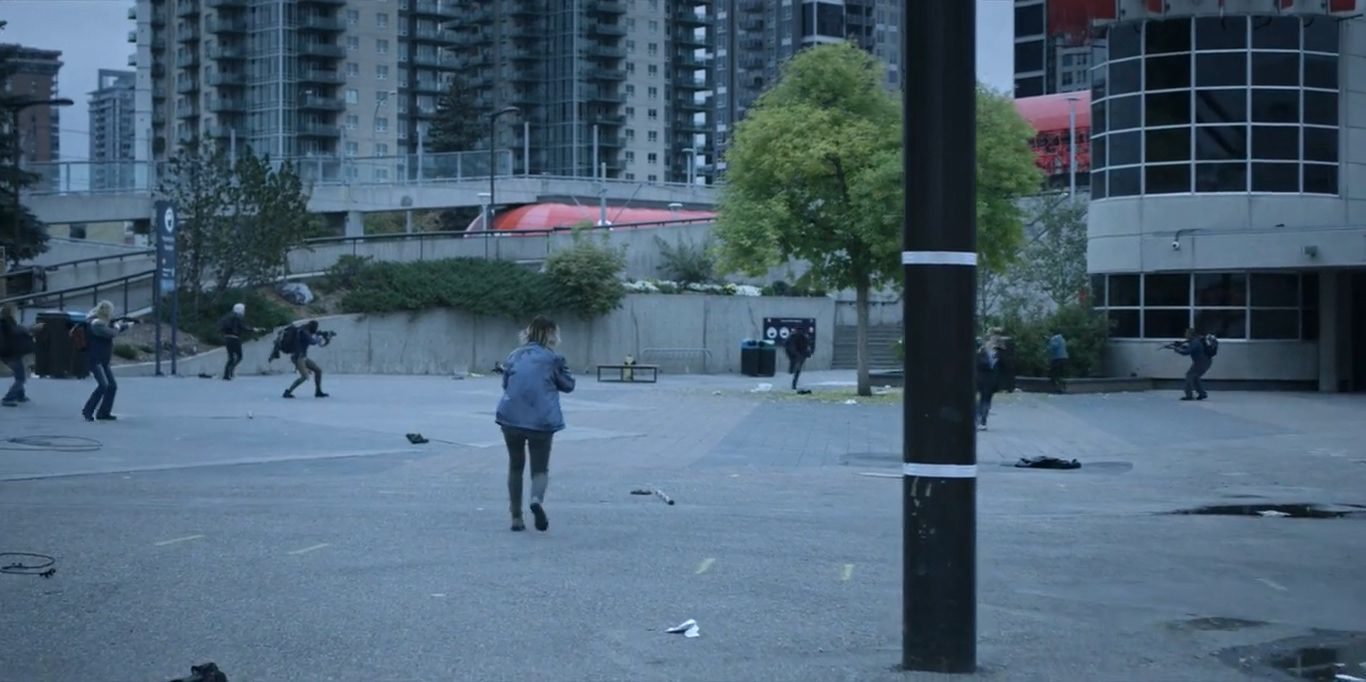
The lead role of Rose is played by American actress and model Jaime King. King began modeling at 14, appearing in fashion magazines like Vogue, Mademoiselle, and Harper’s Bazaar by 1993. She transitioned into acting in 1998, with her first major role in Pearl Harbor (2001) and her first leading role in Bulletproof Monk (2003). She has since appeared in notable films like Sin City (2005) and My Bloody Valentine 3D (2009) and starred in the TV series Hart of Dixie from 2011 to 2015. Jaime also voiced Aurra Sing in Star Wars: The Clone Wars.
The role of Anna went to Zoe Marlett. American actor Justin Chu Cary played Julius James, a criminal who adopts the alias “Spears” after killing a soldier of the same name. Edmonton-based actress Christine Lee portrayed Ooh Kyungsun, a Korean woman searching for her mother.
Calgarian Kelsey Flower played Lance, a young man who survived without his family. American Sal Velez Jr. was cast as Staff Sergeant William Velez, a character with a sister and children in Texas. Manny and Carmen were portrayed by Edsson Morales and Erika Hau, respectively. Gwynyth Walsh from Winnipeg played Barbara Watson, a widow who survived alone, while the role of deaf character Ryan went to Mustafa Alabssi.
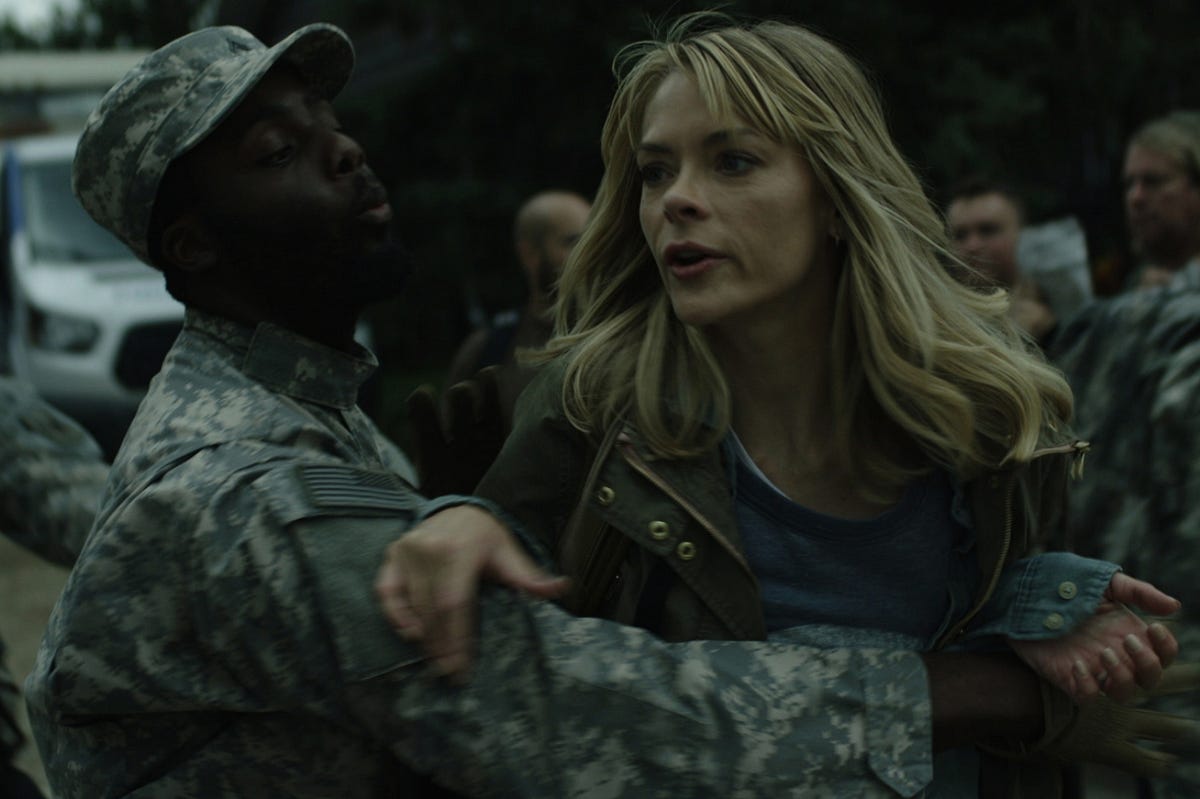
The diverse cast reflects the American refugee crisis depicted in the series and real life. This theme is also reinforced through Kyungsun, who primarily speaks Korean but understands English. Her character highlights the struggles of immigrants who have lost their support systems and must find ways to communicate with others.
Unique Zombies
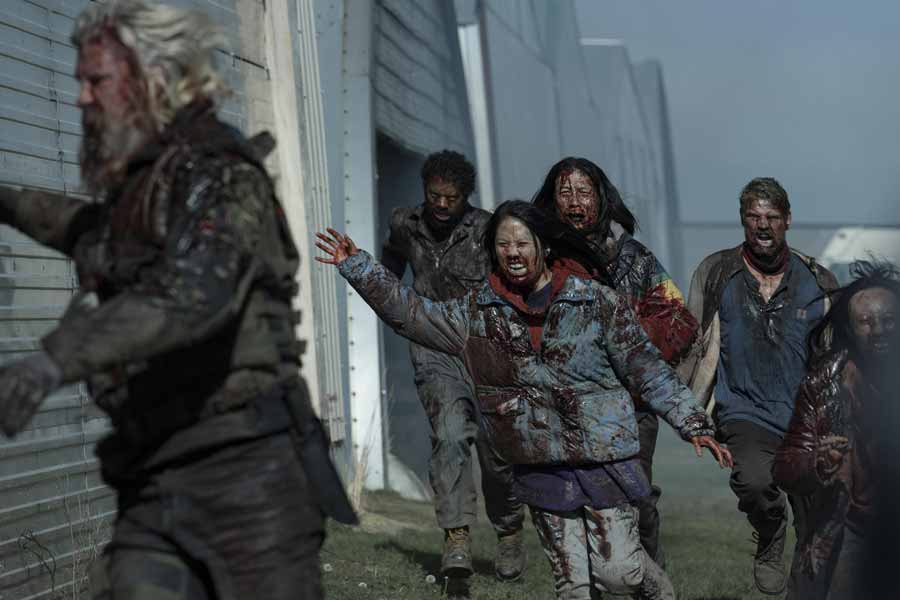
The zombies in Black Summer are unlike the slow-moving creatures with papier-mâché skulls seen in many similar productions. There is no prosthetic makeup or scenes of half-burned corpses with severed limbs. Instead, viewers are met with wild, blood-soaked beings.
These zombies move as fast as Olympic sprinters. Survivors often have no choice but to fight back if they are caught. One-on-one encounters are rare; typically, a single person faces multiple creatures, making survival nearly impossible.
Every zombie in Black Summer feels like a tangible threat. This intensifies in the second season, where they are treated as immediate dangers, triggering adrenaline-fueled action. With limited ammunition and weapons, the only viable escape is to keep running.
The reanimated dead don’t merely tap on glass; they smash through it. They’re smart enough to bypass obstacles in their pursuit of food. Unfazed by stones or gunshots, these zombies make Black Summer a standout production, delivering some of the best action and chase sequences ever seen.
If zombies were to inhabit Earth, the apocalypse wouldn’t favor a select group of survivors mysteriously immune to injury or infection. It would be hell for everyone. Black Summer illustrates this concept vividly, portraying infected humans, car chases, plane rides, and icy roads as mere glimpses of the chaos.
No Hero is Safe
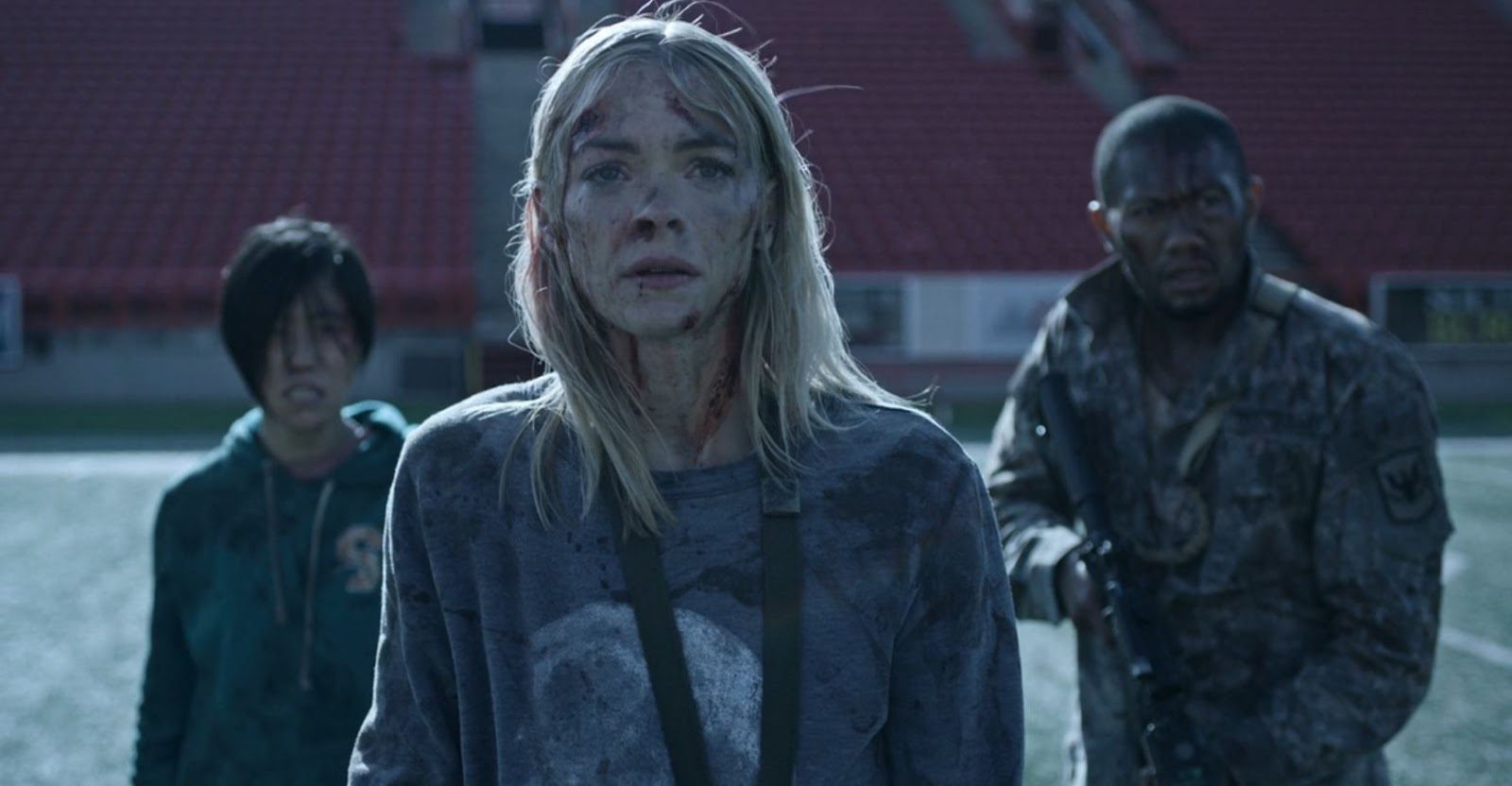
Unlike The Walking Dead, where certain characters seem to have “plot armor” ensuring their survival, Black Summer adheres to the golden rule of horror films, as stated by critic Joe Bob Briggs: anyone can die at any moment.
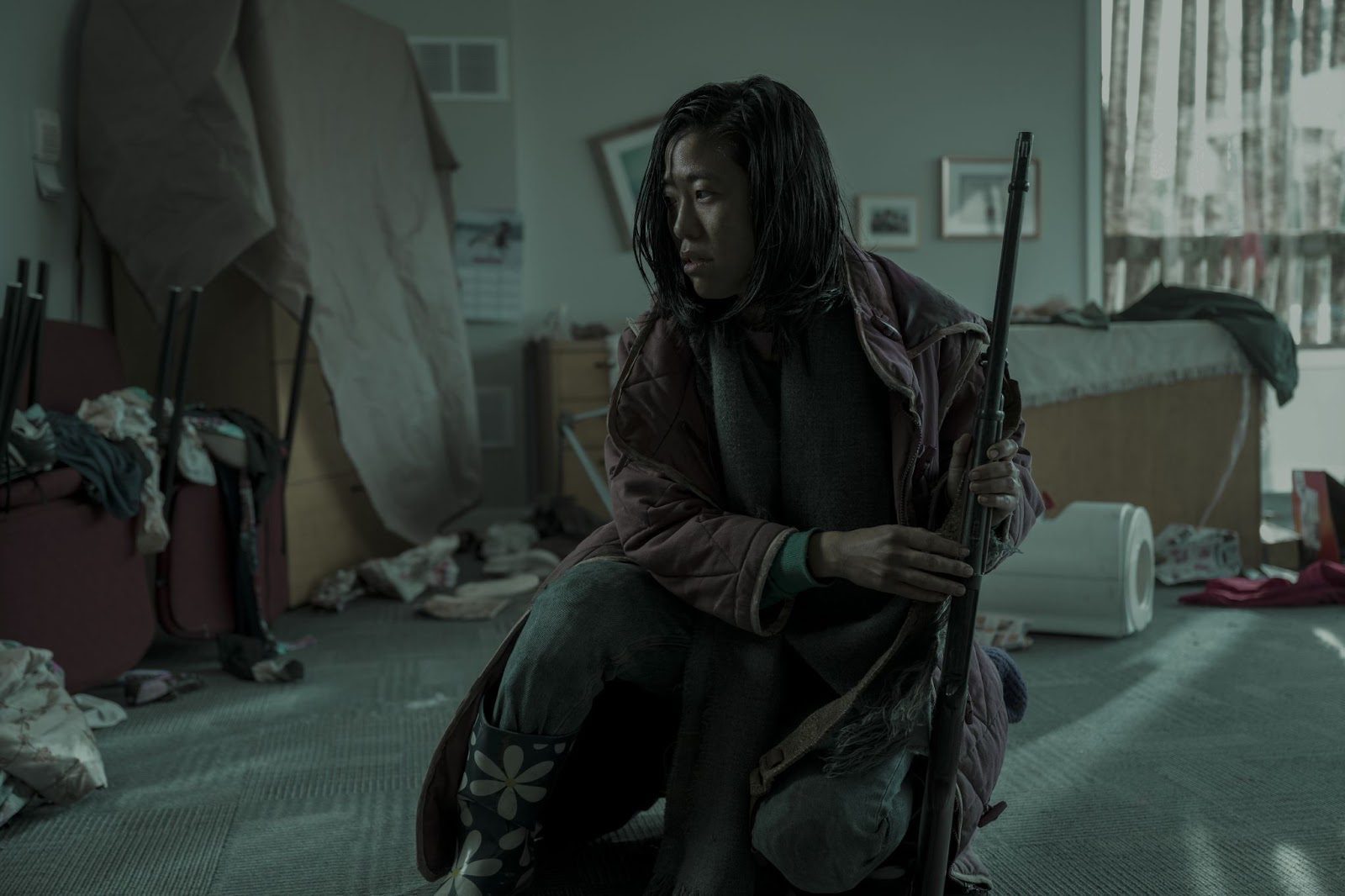
Some characters mysteriously reappear in later episodes, adding unpredictability and intrigue. Long, intentional takes paired with deep staging create a dizzying atmosphere. Paused dialogues amplify tension throughout.
As for Rose, each escape or betrayal only weakens her psyche. Her safety depends not on plot armor but on her willingness to do whatever it takes to survive. Saving her child is her sole purpose and obsession.
Anna’s character in the first season leaves viewers questioning whether she’s still alive, adding suspense and interest. While their reunion is shown, it still leaves doubts: is Anna real, or just a hallucination of Rose’s fractured mind?