

Paul Gross is a celebrated Canadian actor, director, producer, writer, and musician who achieved worldwide fame as Constable Benton Fraser in the cult classic series Due South. His versatile career spans theatre, television, feature films, and music, and his signature series remains a landmark chapter in Canadian television history. In this article on calgaryski.net, we explore the biography of Paul Gross, his journey to the role of Benton Fraser, behind-the-scenes facts from Due South, his acclaimed directorial work, musical releases, and lasting impact on Canadian pop culture.
Early Life, Family, and Education: From Calgary to the Stage
The future screen star was born on April 30, 1959, in Calgary. His father, Bob Gross, served as a tank commander in the Canadian Army and eventually retired with the rank of colonel. His mother, Renie Gross, was an art historian and author who published the 1985 book *Dinosaur Country: Unearthing the Badlands’ Prehistoric Past*. Paul also has a younger brother named Tony.
Due to his father’s military service, the family relocated frequently, living across Germany, the United States, and England, rarely staying in one place for more than two years. In the 1970s, the family settled permanently back in Canada.
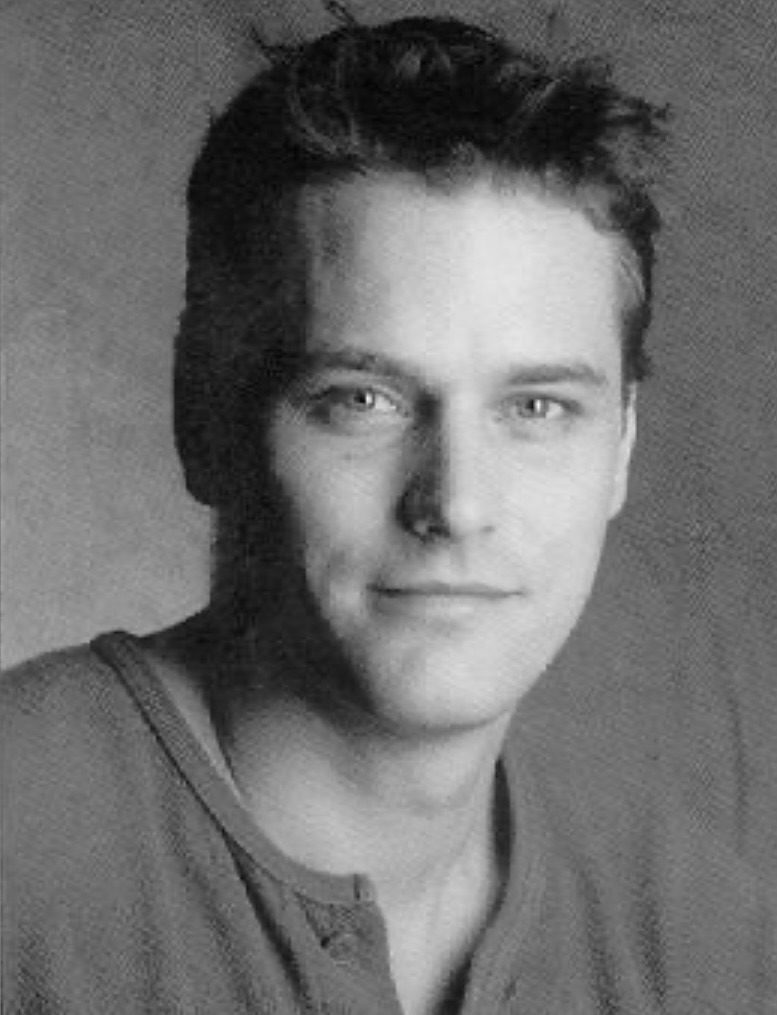
Gross discovered his passion for the performing arts at an early age. This prompted him to study drama at the University of Alberta before committing full-time to a professional acting career.
“Due South”: Benton Fraser and Global Stardom
Due South was originally conceived as a standalone television film. The story followed an impeccably polite Canadian Mountie, Constable Benton Fraser, who travels to Chicago and is paired with a streetwise American detective, Ray Vecchio. The role of Fraser launched Paul Gross into international stardom and remains the most iconic performance of his career.
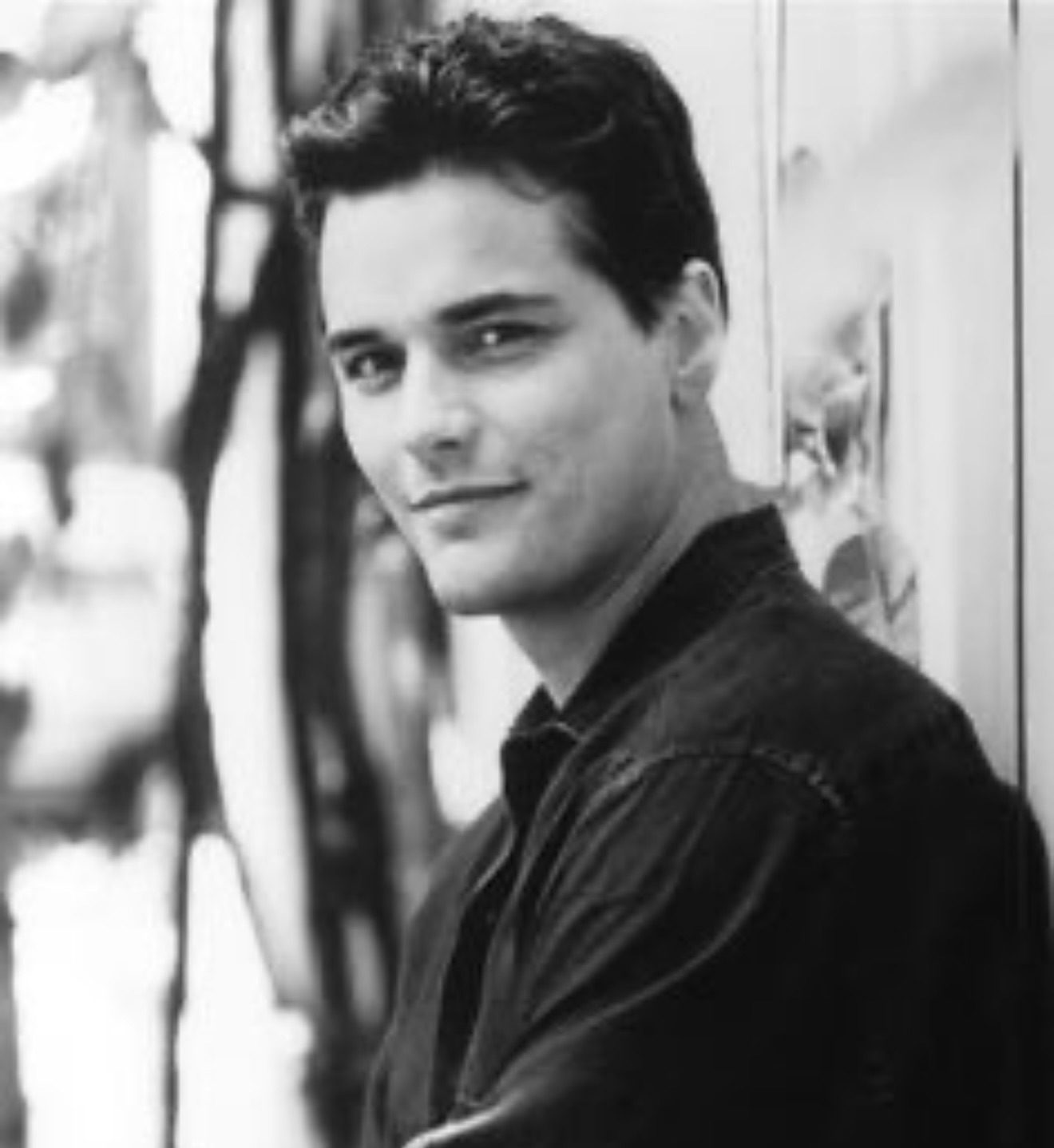
The series premiered in 1994 and was filmed primarily in Toronto, even though the story was set on the streets of Chicago. The creators never downplayed the show’s Canadian identity; instead, they made the cultural contrast between Canada and the United States central to its charm, witty humor, and distinctive tone. The blend of police procedural, comedy, action, and Canadian flavor turned Due South into a runaway international success.
Broadcast in roughly 60 countries, the series became a major ratings hit in both the United Kingdom and Germany. Over its run, Due South earned 15 Gemini Awards out of 53 nominations, with Paul Gross winning Best Actor twice, in 1995 and 1996.
Gross was equally vital behind the camera. As the show evolved, he took on roles as writer, director, and executive producer. When American network CBS canceled its funding, international partnerships with Canadian, British, and German broadcasters saved the series. Working with a leaner budget demanded greater creative resourcefulness, but the show never lost its devoted audience. The final episode of Due South aired on March 14, 1999.
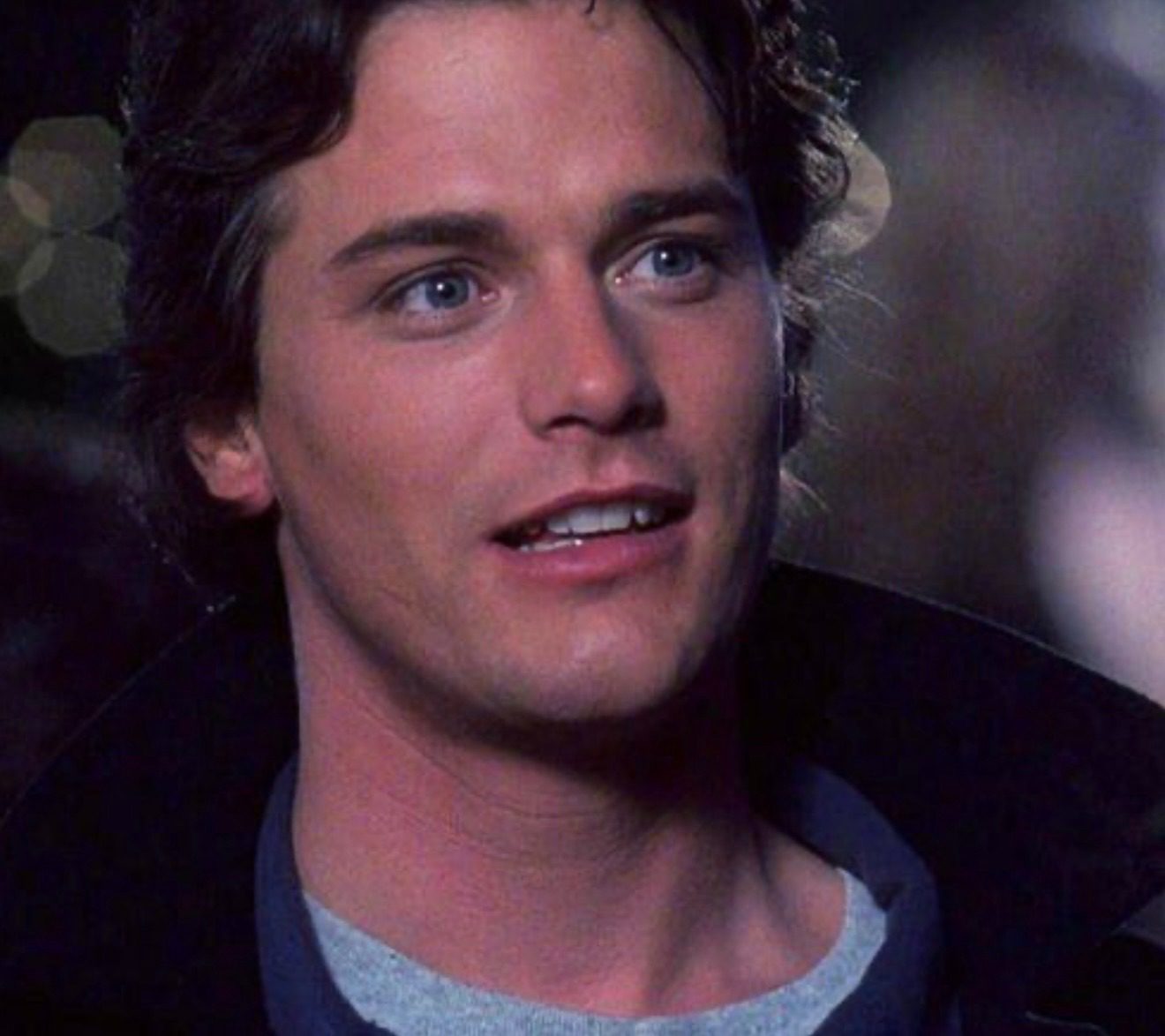
Film and Directorial Highlights: “Passchendaele” and “Men with Brooms”
Following his breakthrough on television, Gross maintained a prolific screen presence. He starred in acclaimed series such as Slings & Arrows, Republic of Doyle, and Eastwick, along with the comedy-western Gunless (2010).
Directing and producing have formed a cornerstone of his creative output:
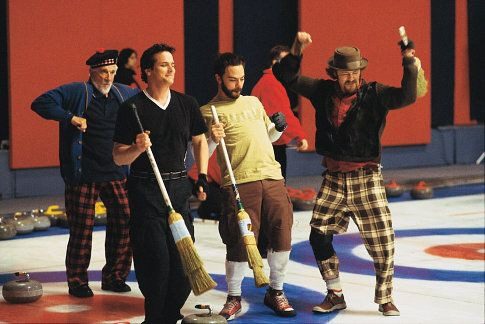
- In 2002, he wrote, directed, and starred in the curling comedy Men with Brooms, sharing the screen with comedy icon Leslie Nielsen.
- In 1989, Gross played a reserved farmhand seeking to secure a ranch through marriage in the film Getting Married in Buffalo Jump.
- In 2008, he released the sweeping historical epic Passchendaele, which he wrote, directed, produced, and starred in. The film drew inspiration from the First World War experiences of his maternal grandfather, Michael Joseph Dunne. Passchendaele opened the Toronto International Film Festival, earned widespread critical acclaim, and took home the Genie Award for Best Motion Picture.
- In 2011, Gross served as executive producer on the six-part miniseries The Yard.
- In 2015, he wrote, directed, and starred in Hyena Road, a modern war drama focusing on Canadian military snipers in Afghanistan. The project grew directly out of Gross’s personal visit to Canadian troops stationed in Kandahar. Film critic Kate Taylor of The Globe and Mail praised the movie as “a marvel of quiet authenticity.”

Musical Career: The Bonemen, Studio Albums, and Film Scores
For Paul Gross, music was never just a casual hobby on the sidelines of his acting career. Songwriting, playing guitar, and recording have been integral parts of his creative identity since his teenage years.
Gross began training in classical guitar as an adolescent, studying for five to six years. However, an early brush with major public performance nearly derailed his ambitions. After being invited to perform at a special showcase in Washington, D.C., stage fright hit him so hard that he walked away from music: he spent the summer working at a camp, shelved his guitar for three years, and poured his energy into football. Yet music inevitably found its way back into his life.
Early in his acting career, Gross worked as a composer and lyricist, co-writing the music and songs for the sci-fi rock musical Thunder, Perfect Mind, staged at Toronto’s McLaughlin Planetarium.
Throughout the 1980s and early 1990s, he fronted his own band, The Bonemen, whose moniker was inspired by the prehistoric fossil beds of the Alberta badlands.
Another key turning point came after trips to Nashville. Captivated by the city’s rich country and roots-rock heritage, Gross teamed up with fellow Canadian actor and musician David Keeley to form a musical duo.
Their collaboration soon produced full-length releases. In July 1998, the duo released their debut album, Two Houses, in the UK, followed a month later by the single “32 Down on the Robert Mackensie.”
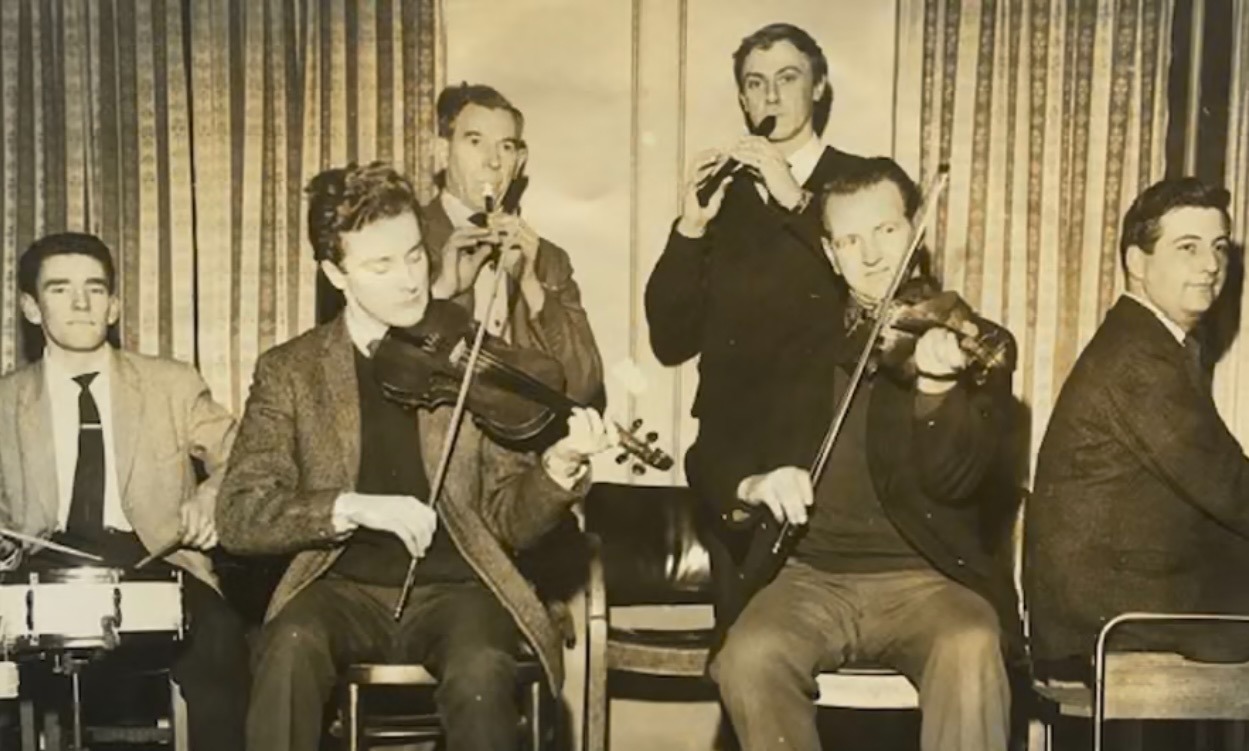
In January 2001, they followed up with a limited-run second album, Give the Dog a Bone, which was later remixed and re-released to a wider audience under the title Songs of Love and Carnage.
Gross has also woven music into his film projects. For the soundtrack to his film Men with Brooms, he recorded the heartfelt track “Kiss You ’Til You Weep.”
Across decades of work, music has stood out not as an afterthought, but as a rich and deeply personal artistic outlet for Gross.
Cultural Impact and Legacy
Due South proved that Canadian television could stand toe-to-toe with prime-time productions across the globe. Writers seamlessly wove genuine Canadiana into every episode, from bilingual humor to sharp political and historical references. Paul Gross once playfully called the show a “massive fraud” for convincing international audiences that all Canadians are heroic, decent, and honest. In his words, while that might not be entirely true, the charm allowed the show to “sneak up on people.”
Even amid debates over stereotypes like the frozen Great White North and Mounties on every corner, the series earned widespread critical respect. In recognition of his exceptional contributions to the arts, Paul Gross was appointed an Officer of the Order of Canada in 2013.
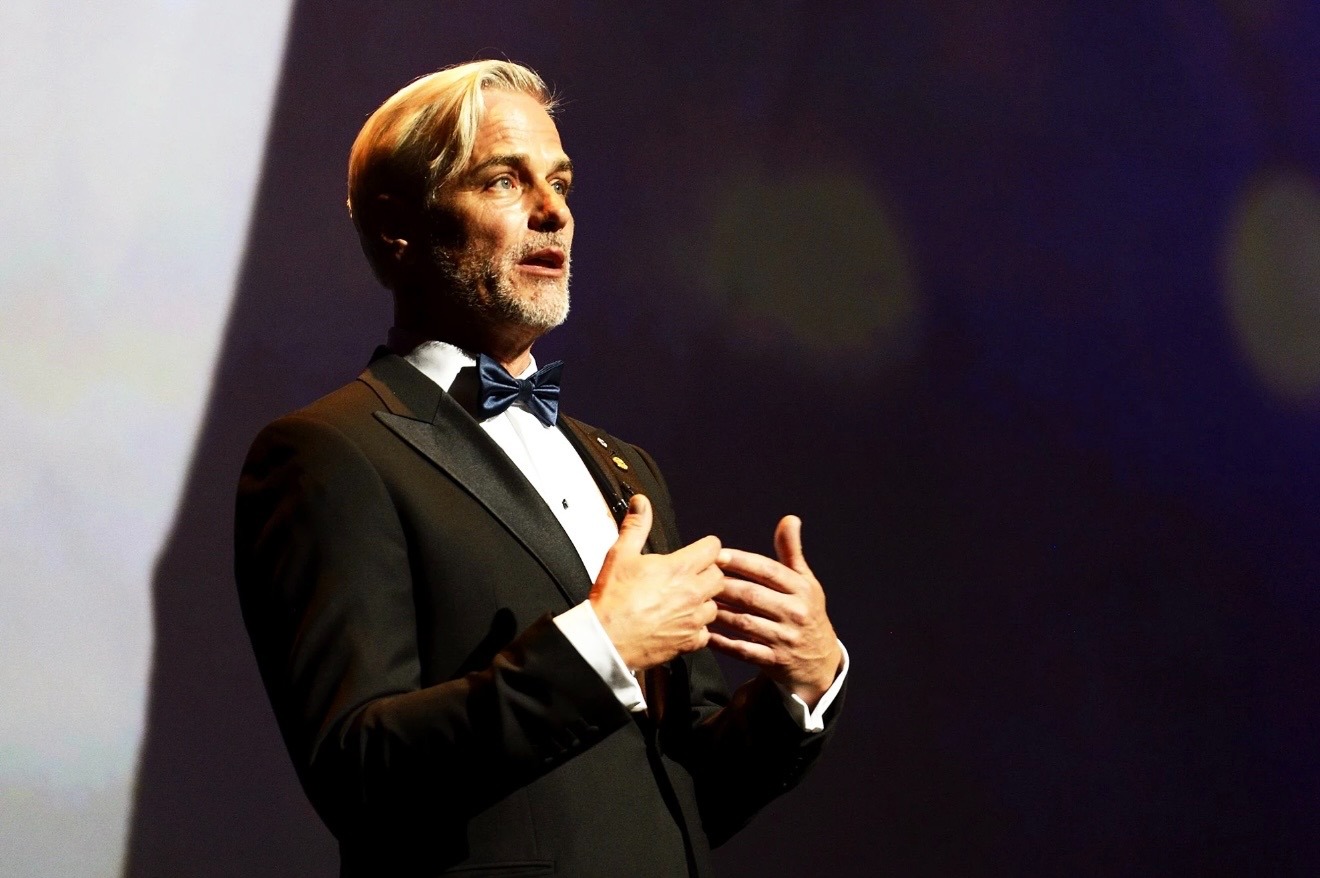
Paul Gross’s career is far richer than the story of a single iconic character. From childhood on military bases and classical training in drama to the stage, prime-time television, feature filmmaking, directing, producing, and music, he has consistently refused to be pigeonholed.
After wrapping Due South, Gross did not allow himself to be defined solely by Benton Fraser. He transitioned into directing powerful historical and military dramas, spearheaded ambitious productions, and nurtured his songwriting. This versatility is precisely what cements his enduring place in Canadian culture.
While Due South concluded its broadcast run decades ago, Benton Fraser remains beloved by fans worldwide. Alongside that character, the series presented a memorable portrait of Canada: polite, principled, witty, and never taking itself too seriously. For Paul Gross, Fraser was a signature achievement, but his broader body of work proves that behind the red serge stood a truly versatile, visionary artist.